

As a provider of Mobile Truck Wheel Alignment services and equipment, I've witnessed firsthand the critical role proper wheel alignment plays in the performance, safety, and longevity of trucks. In this blog, I'll delve into the equipment used for mobile truck wheel alignment, shedding light on the tools that ensure trucks run smoothly on the roads.

The Importance of Mobile Truck Wheel Alignment
Before we explore the equipment, it's essential to understand why mobile truck wheel alignment is so crucial. Misaligned wheels can lead to uneven tire wear, reduced fuel efficiency, and compromised handling. For trucking companies, these issues translate into increased operational costs and potential safety hazards. Mobile truck wheel alignment allows for on - site servicing, minimizing downtime and ensuring that trucks can get back on the road quickly. You can learn more about Mobile Truck Wheel Alignment on our website.
Key Equipment for Mobile Truck Wheel Alignment
1. Wireless Alignment Machine
One of the most significant advancements in mobile truck wheel alignment is the Wireless Alignment Machine. This state - of - the - art device offers several advantages over traditional alignment systems.
- Portability: As the name suggests, wireless alignment machines are highly portable. They can be easily transported to different locations, making them ideal for mobile services. This portability allows technicians to perform wheel alignment on trucks at their current location, whether it's a trucking yard, a construction site, or a remote depot.
- Ease of Use: These machines are designed to be user - friendly. They typically come with intuitive software interfaces that guide technicians through the alignment process step by step. With just a few clicks, technicians can measure the alignment angles of the wheels and make the necessary adjustments.
- Accuracy: Wireless alignment machines use advanced sensor technology to provide highly accurate measurements. They can detect even the slightest misalignments, ensuring that the wheels are perfectly aligned. This accuracy is crucial for maintaining the safety and performance of trucks.
2. Wheel Clamps
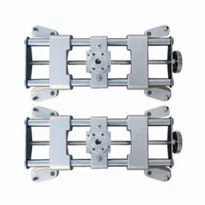
Wheel clamps are an essential part of the wheel alignment process. They are used to secure the alignment sensors to the wheels. A good set of wheel clamps should be able to hold the sensors firmly in place, even during the alignment process when the wheels may be moved or adjusted.
- Universal Fit: Most wheel clamps are designed to fit a wide range of wheel sizes and types. This universality ensures that they can be used on different trucks, from light - duty pickups to heavy - duty commercial vehicles.
- Durability: Since wheel clamps are subjected to constant use and potential wear and tear, they need to be made of high - quality materials. Durable wheel clamps can withstand the rigors of the alignment process and last for a long time.
3. Alignment Sensors
Alignment sensors are responsible for measuring the alignment angles of the wheels. They are typically attached to the wheels using wheel clamps and communicate with the wireless alignment machine to provide real - time data.
- Multiple Axes Measurement: Modern alignment sensors can measure multiple alignment angles, including camber, caster, and toe. These measurements are essential for determining the overall alignment of the wheels and making the necessary adjustments.
- High - Precision: The sensors are engineered to provide high - precision measurements. They can detect small changes in the alignment angles, allowing technicians to make accurate adjustments and ensure optimal wheel alignment.
4. Data Processing Unit
The data processing unit is the brain of the wheel alignment system. It receives the data from the alignment sensors and processes it to generate alignment reports.
- Report Generation: The data processing unit can generate detailed alignment reports that show the current alignment angles of the wheels, the recommended adjustments, and the results after the alignment is completed. These reports are useful for both technicians and truck owners, as they provide a clear understanding of the wheel alignment status.
- Data Storage and Analysis: It also has the ability to store alignment data for future reference. This data can be analyzed over time to track the alignment history of a truck and identify any recurring alignment issues.
5. Lift Equipment
In some cases, lift equipment may be required to perform mobile truck wheel alignment. Lifts are used to raise the truck off the ground, allowing technicians to access the wheels and perform the alignment process more easily.
- Portable Lifts: For mobile services, portable lifts are the preferred choice. They can be easily transported to different locations and set up quickly. Portable lifts come in various types, such as scissor lifts and hydraulic lifts, each with its own advantages and applications.
- Safety Features: Safety is a top priority when using lift equipment. Good quality lifts are equipped with safety features such as locking mechanisms and overload protection to prevent accidents during the lifting process.
Maintenance and Calibration of Alignment Equipment
To ensure the accuracy and reliability of the alignment equipment, regular maintenance and calibration are essential.
- Maintenance: Equipment should be cleaned and inspected regularly to remove dirt, debris, and any signs of wear. Components such as wheel clamps and sensors should be checked for proper functioning, and any damaged parts should be replaced promptly.
- Calibration: Alignment equipment needs to be calibrated periodically to ensure that it provides accurate measurements. Calibration involves comparing the measurements of the equipment with known standards and making any necessary adjustments. This process should be carried out by trained technicians using specialized calibration tools.
Conclusion
Mobile truck wheel alignment is a vital service that helps to keep trucks safe, efficient, and reliable. The equipment used for mobile truck wheel alignment, such as wireless alignment machines, wheel clamps, alignment sensors, data processing units, and lift equipment, plays a crucial role in ensuring the accuracy and effectiveness of the alignment process.
If you're in the market for high - quality mobile truck wheel alignment equipment or services, we invite you to explore our Mobile Truck Wheel Alignment offerings. Our team of experts is ready to assist you with all your wheel alignment needs. Whether you're a trucking company looking to optimize your fleet's performance or a mobile service provider in need of reliable equipment, we have the solutions for you. Contact us today to start a procurement discussion and find the best wheel alignment solutions for your requirements.
References
- "Commercial Vehicle Wheel Alignment Best Practices" - Industry White Paper
- "Advancements in Mobile Alignment Technology" - Journal of Automotive Technology
- Manufacturer's Manuals for Wireless Alignment Machines, Wheel Clamps, and other Alignment Equipment