

Hey there! I'm a supplier of Mobile Truck Wheel Alignment, and I've been in this business for quite a while. Over the years, I've noticed some pretty significant differences in mobile truck wheel alignment for different truck brands. In this blog, I'm gonna share some of these differences with you.

First off, let's talk about the importance of wheel alignment. Proper wheel alignment is crucial for trucks. It helps improve fuel efficiency, extends tire life, and ensures a smooth and safe ride. When the wheels aren't aligned correctly, the tires can wear unevenly, which means you'll have to replace them more often. Plus, it can put extra stress on the truck's suspension and steering components, leading to costly repairs down the road.
Now, different truck brands have different design features, and these can have a big impact on wheel alignment. For example, European truck brands like Volvo and Mercedes-Benz are known for their advanced engineering and high - tech features. These trucks often have more complex suspension systems compared to some other brands. Their suspension is designed to provide a high level of comfort and handling, but it also means that the wheel alignment process can be a bit more intricate.
When it comes to aligning the wheels of a Volvo or a Mercedes - Benz, we need to pay extra attention to things like camber, caster, and toe settings. These angles are carefully calibrated to match the truck's specific design. For instance, the caster angle affects the steering stability of the truck. If it's not set correctly, the truck may pull to one side or have a tendency to wander on the road. And because these trucks are often used for long - haul transportation, even a small misalignment can cause significant problems over time.
On the other hand, American truck brands such as Freightliner and Kenworth have their own unique characteristics. These trucks are typically built for durability and heavy - duty work. They usually have a more robust and straightforward suspension design. The wheel alignment process for American trucks is generally less complex in terms of the number of adjustable components. However, due to their heavy - duty nature, they often carry much larger loads. This means that the alignment needs to be precise to handle the extra weight.
For example, when a Freightliner is loaded with a full trailer, the weight distribution can change significantly. This can cause the wheels to shift out of alignment. So, we need to make sure that the toe and camber settings are adjusted to account for the loaded condition of the truck. Otherwise, the tires will wear unevenly, and the truck's handling can be compromised.
Japanese truck brands like Isuzu and Hino also have their own quirks. These trucks are known for their reliability and fuel efficiency. They often have a more compact design, which affects the wheel alignment process. The smaller size of Japanese trucks means that the suspension components are also relatively smaller. This can make it a bit more challenging to access and adjust the alignment angles.
Moreover, Japanese trucks are often used in urban and suburban areas for local deliveries. They are constantly starting and stopping, which puts different kinds of stress on the wheels and suspension. So, the alignment needs to be set in a way that can withstand these frequent changes in driving conditions.
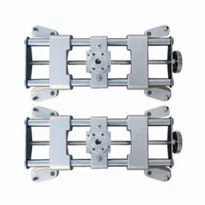
Now, let's talk about the tools we use for mobile truck wheel alignment. One of the most important tools in our arsenal is the Wireless Alignment Machine. This machine has revolutionized the way we do wheel alignment. It uses advanced sensors to measure the alignment angles accurately and wirelessly transmits the data to a computer.
The Wireless Alignment Machine is incredibly versatile. It can be used on trucks of all brands and sizes. Whether it's a European luxury truck, an American heavy - hauler, or a Japanese delivery truck, this machine can get the job done. It saves us a lot of time and effort compared to the traditional alignment methods.
Another advantage of using a wireless alignment machine is that it allows us to perform on - site wheel alignment. This is a huge benefit for truck owners because they don't have to take their trucks to a fixed - location alignment shop. We can come to their place of business, whether it's a trucking yard, a warehouse, or even a construction site. This not only saves time but also reduces the downtime of the trucks, which is crucial for businesses that rely on their trucks to operate.
When it comes to the actual alignment process, we start by inspecting the truck's tires, suspension, and steering components. We look for any signs of wear or damage that could affect the alignment. Then, we use the wireless alignment machine to measure the current alignment angles of the wheels. Once we have the measurements, we compare them to the manufacturer's specifications for that particular truck brand.
If the alignment is off, we make the necessary adjustments. This may involve adjusting the tie - rod ends, control arms, or other suspension components. After making the adjustments, we re - measure the alignment to ensure that it meets the required standards.
In conclusion, there are significant differences in mobile truck wheel alignment for different truck brands. Each brand has its own design features, usage patterns, and alignment requirements. As a supplier of mobile truck wheel alignment services, we need to be well - versed in these differences to provide the best possible service to our customers.
If you're a truck owner or a fleet manager and you're looking for reliable mobile truck wheel alignment services, don't hesitate to get in touch. We have the expertise and the right tools, like the wireless alignment machine, to handle all your alignment needs. Whether you have a European, American, or Japanese truck, we can make sure that your wheels are perfectly aligned, saving you money on tires and repairs in the long run.
References
- Truck Manufacturer's Service Manuals
- Industry Publications on Truck Maintenance and Alignment