

In the automotive and truck maintenance industry, wheel alignment is a crucial service that ensures vehicle safety, tire longevity, and fuel efficiency. The alignment process involves adjusting the angles of the wheels to the manufacturer's specifications. Traditional alignment machines have long been the standard in the industry, but more recently, wireless alignment machines have emerged as a game - changer. As a supplier of Wireless Alignment Machines, I am excited to delve into the key differences between these two types of alignment machines.
1. Connectivity and Mobility
Traditional alignment machines typically rely on a wired connection between the measuring heads and the control unit. This wired setup restricts the movement of the measuring heads, as they are physically tethered to the control unit. Mechanics have to work within the range allowed by the cables, which can be cumbersome, especially when dealing with large vehicles like trucks. For example, if a mechanic needs to move around a large truck to access different wheels, the wired cables may get in the way or even cause tripping hazards.
On the other hand, Wireless Alignment Machines, as the name suggests, operate without the need for physical cables. They use advanced wireless communication technologies such as Bluetooth or Wi - Fi to transmit data between the measuring heads and the control unit. This gives mechanics the freedom to move the measuring heads around the vehicle without any restrictions. The mobility aspect is particularly beneficial for Mobile Truck Wheel Alignment services. Mechanics can easily take the wireless alignment machine to the location of the truck, whether it's at a construction site or a remote depot. You can learn more about Mobile Truck Wheel Alignment on our website. This enhanced mobility saves time and makes the alignment process more flexible and convenient.
2. Installation and Setup
The installation of a traditional alignment machine is often a complex and time - consuming process. It requires running cables through the workshop, which may involve drilling holes in the floor or walls to ensure proper cable management. There are also issues related to cable length and placement, which need to be carefully planned to avoid any interference. Additionally, the calibration of a traditional alignment machine can be a delicate procedure, as even a slight misalignment of the cables can affect the accuracy of the measurements.
Wireless Alignment Machines offer a much simpler installation and setup process. Since there are no cables to install, mechanics can quickly set up the machine in a new location or move it from one workshop to another without the hassle of cable installation. The control unit and the measuring heads can be easily powered on, and they automatically connect to each other wirelessly. This ease of installation is a significant advantage, especially for small - scale workshops or those that frequently change their layout. You can explore our Wireless Alignment Machine product range to see how simple the setup can be.
3. Data Transmission and Accuracy
In traditional alignment machines, data is transmitted through cables, which can be susceptible to interference. Electrical noise, cable damage, or poor connections can all lead to inaccurate data transmission. This can result in incorrect wheel alignment readings, which may lead to improper adjustments and potential safety issues for the vehicle.
Wireless Alignment Machines use digital communication protocols to transmit data, which are more resistant to interference. The measuring heads collect data with high precision sensors and send it wirelessly to the control unit. The control unit then processes the data using advanced algorithms to provide accurate alignment readings. The wireless technology also allows for real - time data updates, which means that mechanics can see the alignment changes immediately as they make adjustments to the wheels. This real - time feedback enables more precise and efficient alignment work.
4. Ease of Use and User Interface
Traditional alignment machines often have complex user interfaces that require extensive training for mechanics to operate effectively. The control panel may be filled with numerous buttons and dials, and the software may be difficult to navigate. This can be a barrier for new mechanics or those who are not tech - savvy.

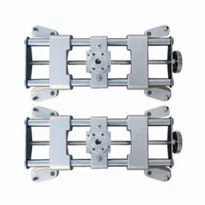
Wireless Alignment Machines typically feature more intuitive and user - friendly interfaces. The control unit often has a large touch - screen display that shows clear and detailed alignment data in an easy - to - understand format. The software is designed to guide mechanics through the alignment process step by step, with visual aids and prompts. This makes it easier for mechanics of all skill levels to use the machine, reducing the learning curve and increasing productivity in the workshop.
5. Cost and Maintenance
The initial cost of a traditional alignment machine can be relatively high, especially when considering the cost of installation and cable management. In addition, the maintenance of traditional alignment machines can be expensive, as cables may need to be replaced over time due to wear and tear. There is also a risk of cable damage during the normal course of use, which can lead to additional repair costs.
Wireless Alignment Machines may have a slightly higher initial purchase price, but they can offer long - term cost savings. The lack of cables reduces the need for cable replacement and repair. The wireless technology also means that there are fewer mechanical components that can break down, resulting in lower maintenance costs. Moreover, the increased efficiency and productivity of wireless alignment machines can lead to a quicker return on investment for workshops.
6. Compatibility and Future - Proofing
Traditional alignment machines may have limited compatibility with newer vehicle models. As automotive technology advances, vehicles are becoming more complex, with advanced suspension systems and electronic controls. Traditional alignment machines may not be able to provide accurate alignments for these new vehicles without significant software upgrades or even hardware replacements.
Wireless Alignment Machines are designed with compatibility in mind. They can be easily updated with the latest software to support new vehicle models and alignment requirements. The wireless communication technology also allows for seamless integration with other diagnostic and maintenance tools in the workshop. This future - proofing aspect ensures that workshops can continue to provide high - quality alignment services as the automotive industry evolves. You can also learn more about our Mobile Truck Wheel Alignment solutions, which are highly compatible with various truck models.
In conclusion, the differences between Wireless Alignment Machines and traditional alignment machines are significant. Wireless Alignment Machines offer greater connectivity and mobility, simpler installation and setup, more accurate data transmission, user - friendly interfaces, lower long - term costs, and better compatibility with future vehicles. As a supplier of Wireless Alignment Machines, we are committed to providing high - quality products that meet the evolving needs of the automotive and truck maintenance industry.
If you are interested in upgrading your workshop's alignment capabilities or starting a Mobile Truck Wheel Alignment service, we invite you to contact us for a detailed discussion on how our Wireless Alignment Machines can benefit your business. We look forward to the opportunity to work with you and help you take your alignment services to the next level.
References
- Automotive Service Excellence (ASE) publications on wheel alignment technology
- Industry reports on the adoption of wireless technology in automotive maintenance equipment