

As a supplier of Wireless Alignment Machines, I've witnessed firsthand the crucial role these devices play in the automotive industry, especially when it comes to adjusting for vehicle suspension differences. In this blog, I'll delve into the science behind how our Wireless Alignment Machine tackles the diverse suspension systems found in various vehicles.
Understanding Vehicle Suspension Differences
Before we explore how our Wireless Alignment Machine makes adjustments, it's essential to understand the wide range of vehicle suspension systems out there. Suspension systems can vary significantly based on factors such as vehicle type (sedan, SUV, truck, etc.), intended use (daily commuting, off - roading, racing), and manufacturer design.
Some common types of suspension systems include independent suspension, where each wheel moves independently of the others, providing a smoother ride and better handling. On the other hand, solid axle suspension is often found in trucks and some off - road vehicles, offering greater durability and load - carrying capacity. Additionally, there are advanced suspension systems like air suspension, which can adjust the ride height and stiffness according to driving conditions.
These differences in suspension systems lead to variations in wheel alignment requirements. For example, a vehicle with a sport - tuned suspension may require a more aggressive camber angle for better cornering, while a family sedan might need a more neutral alignment for a comfortable and efficient ride.
How Wireless Alignment Machine Detects Suspension Differences
Our Wireless Alignment Machine is equipped with state - of - the - art sensors that can accurately detect the unique characteristics of a vehicle's suspension system. These sensors measure various alignment parameters such as camber, caster, and toe.
When a vehicle is placed on the alignment rack, the Wireless Alignment Machine's sensors are attached to the wheels. They use advanced technology, such as laser or optical sensors, to precisely measure the angles and positions of the wheels relative to the vehicle's frame. By analyzing these measurements, the machine can quickly identify any deviations from the manufacturer's recommended alignment settings, which may be caused by differences in the suspension system.
For instance, if a vehicle has a worn suspension component, it may cause the wheels to be misaligned. The Wireless Alignment Machine can detect these misalignments and pinpoint the exact issue, whether it's a bent control arm, a worn ball joint, or a problem with the shock absorbers.
Adjusting for Suspension Differences
Once the Wireless Alignment Machine has detected the suspension - related alignment issues, it provides detailed instructions on how to make the necessary adjustments. Our machine offers a user - friendly interface that guides technicians through the adjustment process step by step.
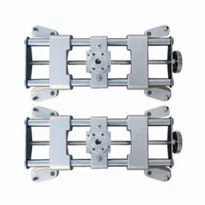

Camber Adjustment
Camber refers to the angle of the wheels when viewed from the front of the vehicle. If the camber is out of alignment, it can cause uneven tire wear and affect the vehicle's handling. Our Wireless Alignment Machine can determine the correct camber angle for the specific vehicle's suspension system and provide instructions on how to adjust it.
For vehicles with adjustable camber plates, technicians can use the machine's guidance to loosen the bolts, make the necessary angle adjustments, and then re - tighten the bolts. In some cases, where the suspension design doesn't allow for easy camber adjustment, the machine can recommend alternative solutions, such as using camber shims or replacing worn components.
Caster Adjustment
Caster is the angle of the steering axis when viewed from the side of the vehicle. It affects the vehicle's steering stability and self - centering ability. The Wireless Alignment Machine can accurately measure the caster angle and provide adjustment procedures.
Adjusting caster often involves making changes to the suspension's upper or lower control arms. The machine will indicate the amount of adjustment needed and guide technicians on how to access and modify the relevant components. This ensures that the vehicle's steering characteristics are optimized for its specific suspension setup.
Toe Adjustment
Toe refers to the angle of the wheels relative to the vehicle's centerline when viewed from above. Incorrect toe settings can cause tire scrubbing, which leads to premature tire wear and reduced fuel efficiency. Our Wireless Alignment Machine can measure the toe angle and provide instructions on how to adjust it.
Toe adjustment usually involves adjusting the length of the tie rods. The machine will tell technicians how much to turn the tie rod ends to achieve the correct toe setting. This simple yet crucial adjustment can significantly improve the vehicle's handling and tire life.
Benefits of Using Wireless Alignment Machine for Suspension - Related Adjustments
Using our Wireless Alignment Machine to adjust for vehicle suspension differences offers several advantages.
Firstly, it saves time. The machine's accurate measurements and detailed adjustment instructions allow technicians to quickly diagnose and fix alignment issues, reducing the time the vehicle spends in the shop.
Secondly, it improves the accuracy of the alignment. By precisely measuring and adjusting the alignment parameters, the Wireless Alignment Machine ensures that the vehicle's wheels are aligned according to the manufacturer's specifications, regardless of the suspension system's complexity.
Thirdly, it enhances the overall performance of the vehicle. Proper alignment reduces tire wear, improves fuel efficiency, and enhances the vehicle's handling and safety. This leads to a better driving experience for the vehicle owner and can also extend the lifespan of the suspension components.
Applications in Different Vehicle Types
Our Wireless Alignment Machine is versatile and can be used for a wide range of vehicle types, from passenger cars to heavy - duty trucks.
For Mobile Truck Wheel Alignment, the machine's wireless technology allows for greater flexibility. Technicians can perform alignment services on trucks at various locations, such as truck stops or construction sites. The machine can handle the unique suspension requirements of trucks, which often have heavier loads and more robust suspension systems compared to passenger vehicles.
In the case of passenger cars, the Wireless Alignment Machine can adapt to different suspension designs, whether it's a high - performance sports car or a compact city car. It ensures that each vehicle receives the optimal alignment for its specific suspension setup, providing a smooth and safe ride.
Why Choose Our Wireless Alignment Machine
As a supplier, we take pride in offering a Wireless Alignment Machine that is reliable, accurate, and easy to use. Our machine is backed by years of research and development, and it incorporates the latest technological advancements in the field of wheel alignment.
We also provide comprehensive training and support to our customers. Our team of experts can assist technicians in understanding how to use the machine effectively, especially when it comes to adjusting for complex suspension differences.
In addition, our Wireless Alignment Machine is designed with durability in mind. It can withstand the rigors of a busy automotive shop environment and provide consistent performance over time.
Contact Us for Purchase and Consultation
If you're in the automotive industry and looking for a high - quality solution to adjust for vehicle suspension differences, our Wireless Alignment Machine is the ideal choice. Whether you're a small repair shop or a large automotive dealership, our machine can help you improve your alignment services and enhance customer satisfaction.
Don't hesitate to contact us to learn more about our Wireless Alignment Machine and how it can benefit your business. We're always ready to have in - depth discussions about your specific needs and provide you with the best solutions.
References
- "Automotive Suspension and Steering Systems" by William H. Crouse and Donald L. Anglin.
- Various automotive manufacturer's service manuals for alignment specifications.