

Hey there, truck owners and operators! As a supplier in the truck wheel alignment business, I've seen firsthand how trailers can have a major impact on a truck's wheel alignment. In this blog post, I'm gonna break down the ins and outs of this relationship, so you can keep your rigs running smoothly and safely.
Let's start with the basics. Wheel alignment is all about making sure your truck's wheels are positioned correctly relative to each other and the vehicle's frame. When everything is in alignment, your truck will handle better, tire wear will be more even, and you'll save on fuel costs. But when a trailer is hitched up, it can throw off this delicate balance.
One of the main ways a trailer affects wheel alignment is through its weight distribution. If the trailer isn't loaded evenly, it can put extra stress on certain parts of the truck's suspension and wheels. For example, if most of the weight is concentrated at the rear of the trailer, it can cause the rear wheels of the truck to bear more weight than they're designed to. This can lead to uneven tire wear on the rear tires, as well as potential issues with the suspension components.
Another factor to consider is the length and type of the trailer. Longer trailers can create more leverage, which can affect the truck's steering and handling. A long, heavy trailer can make it harder for the truck to turn, and it can also cause the front wheels to wear unevenly. Additionally, different types of trailers, such as flatbeds, tankers, or refrigerated trailers, have different weight distributions and aerodynamic properties, all of which can impact the truck's wheel alignment.

The connection between the truck and the trailer also plays a crucial role. If the trailer hitch isn't properly installed or adjusted, it can cause misalignment. A loose or misaligned hitch can allow the trailer to sway or shift, which in turn can affect the alignment of the truck's wheels. It's important to regularly check the hitch for any signs of wear or damage and to make sure it's tightened to the manufacturer's specifications.
Now, you might be wondering how you can tell if your truck's wheel alignment is off due to the trailer. There are a few signs to look out for. One of the most obvious is uneven tire wear. If you notice that the tires on one side of the truck are wearing faster than the other, or if the tread is wearing down more in the center or on the edges, it could be a sign of misalignment. Another sign is pulling. If your truck tends to pull to one side while driving, even on a straight road, it's likely that the wheels are out of alignment. You might also experience vibrations in the steering wheel or a general feeling of instability while driving.
So, what can you do to prevent trailer-related wheel alignment issues? First and foremost, make sure you're loading the trailer correctly. Distribute the weight evenly from front to back and side to side. Use load bars or other tools to secure the cargo and prevent it from shifting during transit. Regularly inspect the trailer and the hitch for any signs of damage or wear, and make any necessary repairs or adjustments.
When it comes to getting your truck's wheel alignment checked and corrected, you have a few options. One great option is Mobile Truck Wheel Alignment. With mobile wheel alignment services, a technician can come to your location, whether it's your business yard or a rest stop on the road. This is especially convenient for truckers who are on tight schedules and can't afford to take their trucks to a shop for an extended period of time.
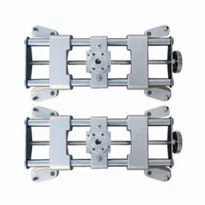
Another important tool in the wheel alignment process is the Wireless Alignment Machine. These machines use advanced technology to accurately measure the alignment of your truck's wheels. They're easy to use and can provide quick and precise results. And if you're in the market for a wireless alignment machine for your own shop, check out our Wireless Alignment Machine Factory for high-quality, reliable equipment.
In conclusion, trailers can have a significant impact on a truck's wheel alignment. By understanding the factors that contribute to misalignment and taking proactive steps to prevent it, you can keep your trucks in top condition and avoid costly repairs down the road. Whether you're a small fleet owner or an independent trucker, investing in regular wheel alignment checks and using the right equipment is essential for the safety and efficiency of your operation.
If you're interested in learning more about our truck wheel alignment products and services, or if you have any questions about how trailers affect wheel alignment, don't hesitate to reach out. We're here to help you keep your trucks running smoothly and safely. Contact us today to start a conversation about your wheel alignment needs.
References
- "Truck Suspension and Alignment Basics" - Trucking Industry Magazine
- "The Impact of Trailer Design on Truck Performance" - Transportation Research Journal
- Manufacturer's manuals for truck and trailer components