

As a supplier of Wireless Alignment Machines, I've had the privilege of witnessing firsthand how these innovative tools are revolutionizing the way we measure the alignment of independent rear suspensions. In this blog post, I'll delve into the intricacies of how a Wireless Alignment Machine performs this crucial task, shedding light on the technology, processes, and benefits involved.
Understanding Independent Rear Suspension
Before we explore how a Wireless Alignment Machine measures alignment, it's essential to understand what independent rear suspension is. Independent rear suspension (IRS) is a type of suspension system that allows each rear wheel to move vertically without affecting the other. This design provides several advantages, including improved ride comfort, better handling, and enhanced traction. However, maintaining proper alignment in an IRS system is crucial for optimal performance and tire longevity.
The Role of a Wireless Alignment Machine
A Wireless Alignment Machine is a state-of-the-art device designed to accurately measure and adjust the alignment of vehicle wheels. Unlike traditional alignment systems that rely on cables and wires, wireless alignment machines use advanced wireless technology to transmit data between the sensors and the control unit. This wireless connectivity offers several benefits, including increased flexibility, ease of use, and reduced setup time.
How a Wireless Alignment Machine Measures Alignment
The process of measuring the alignment of an independent rear suspension using a Wireless Alignment Machine typically involves the following steps:
Step 1: Preparation
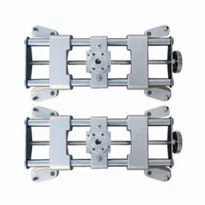
Before the alignment process begins, the vehicle must be properly prepared. This includes ensuring that the tires are inflated to the correct pressure, the vehicle is on a level surface, and the suspension is in good condition. The technician will also need to mount the alignment sensors on each wheel. These sensors are equipped with advanced technology that allows them to measure various alignment angles, such as camber, caster, and toe.
Step 2: Initial Measurement
Once the sensors are mounted, the Wireless Alignment Machine will perform an initial measurement of the current alignment angles of the independent rear suspension. This measurement provides a baseline for the technician to determine if any adjustments are necessary. The machine will display the measured angles on a screen, allowing the technician to compare them to the manufacturer's specifications.
Step 3: Analysis and Diagnosis
After the initial measurement is complete, the technician will analyze the data to identify any alignment issues. This may involve comparing the measured angles to the manufacturer's specifications, looking for patterns or trends in the data, and considering the vehicle's driving characteristics. Based on this analysis, the technician can diagnose the root cause of the alignment problem and determine the appropriate course of action.
Step 4: Adjustment
If the analysis reveals that the alignment angles are out of spec, the technician will need to make adjustments to the independent rear suspension. This may involve using specialized tools to adjust the camber, caster, or toe angles of the wheels. The Wireless Alignment Machine will provide real-time feedback during the adjustment process, allowing the technician to monitor the changes and ensure that the alignment angles are within the manufacturer's specifications.
Step 5: Final Measurement
Once the adjustments are complete, the Wireless Alignment Machine will perform a final measurement to verify that the alignment angles are within the desired range. This final measurement ensures that the independent rear suspension is properly aligned and that the vehicle will perform optimally. The technician will also provide a detailed report of the alignment results, including the measured angles, the adjustments made, and any recommendations for future maintenance.
Benefits of Using a Wireless Alignment Machine
Using a Wireless Alignment Machine to measure the alignment of an independent rear suspension offers several benefits, including:

Accuracy
Wireless alignment machines use advanced sensors and technology to provide highly accurate measurements of alignment angles. This accuracy ensures that the independent rear suspension is properly aligned, which can improve vehicle performance, handling, and tire longevity.
Efficiency
The wireless connectivity of these machines allows for quick and easy setup, reducing the time required to perform an alignment. This efficiency can save both time and money for automotive repair shops and their customers.
Flexibility
Wireless alignment machines are designed to be flexible and adaptable, allowing them to be used on a wide range of vehicles, including cars, trucks, and SUVs. This flexibility makes them a valuable tool for automotive repair shops that work on a variety of vehicles.
Ease of Use
These machines are user-friendly and intuitive, making them easy to operate for technicians of all skill levels. The clear and concise display of alignment data and the real-time feedback during the adjustment process make it easy for technicians to perform accurate alignments quickly and efficiently.
Conclusion
In conclusion, a Wireless Alignment Machine is a powerful and essential tool for measuring the alignment of independent rear suspensions. By using advanced wireless technology, these machines provide accurate, efficient, and flexible alignment solutions that can improve vehicle performance, handling, and tire longevity. As a supplier of Wireless Alignment Machines, I'm proud to offer these innovative products to automotive repair shops and technicians around the world.

If you're interested in learning more about our [Wireless Alignment Machine]((/truck-wheel-alignment/wireless-alignment-machine.html) or [Mobile Truck Wheel Alignment]((/truck-wheel-alignment/mobile-truck-wheel-alignment.html) services, please don't hesitate to contact us. We'd be happy to discuss your specific needs and provide you with a customized solution.
References
- Smith, J. (2020). Automotive Suspension Systems. New York: McGraw-Hill.
- Jones, R. (2019). Wheel Alignment: Principles and Practices. London: Elsevier.
- Brown, S. (2018). Wireless Technology in Automotive Applications. Berlin: Springer.